
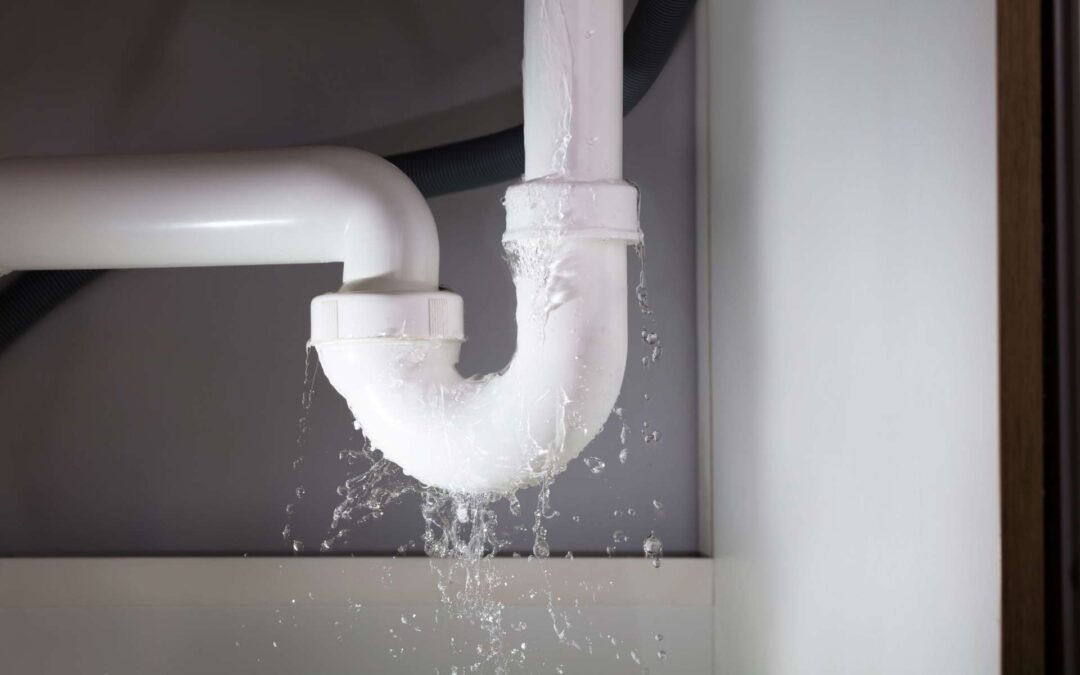
You hear a dripping sound somewhere from behind the wall and convince yourself it’s nothing. A week after, however, your water bill goes up, and you can’t quite figure out why. Sound familiar? It’s true that leaks never come to your notice with a gush of water. They usually come to you in the form of the odour of the basement, an unusual dampness in the ceiling, or a constant meter reading despite all taps being closed in the house.
If you have been ignoring the issue, then this is a cue for you to take action. This guide will show you how to detect leaks, their location, and when to seek help with water leak repair in Toronto.
Signs You Might Have a Leak Hiding Somewhere
Leaks seldom make themselves known immediately, which is precisely why they become such an expensive problem to resolve at a later point. Some common warning signs include:
- Monthly increases in water usage despite stable consumption habits
- Visible stains and bubbles on the wall and ceiling paint, particularly in bathroom and kitchen areas
- Musty or damp odour in poorly ventilated rooms, such as basements and closets
- Warm floor tiles, indicating a possible leak beneath a concrete slab foundation
- The growth of mould in the corners of your home or along its baseboards
- The sound of running water with all taps turned off
Toronto buildings built long ago and situated within neighbourhoods including the Beaches, Leslieville, or Annex tend to have old galvanized and copper pipes buried underground or in walls for many decades already. Such pipes can certainly take their toll over the years. Factor in the harsh winter freeze-thaw cycles and you get cracked and leaking pipes.
Where Leaks Usually Hide
Some foreknowledge as to where the problem usually arises can be quite useful before breaking down any walls.
- Under sinks or toilets: Faulty supply lines or wax rings are the typical culprits, and the easy ones at that. You’ll see the problem right away.
- Behind walls near pipes: These are the difficult ones – you’ll only see damage once it has already happened.
- Basements or foundation: Given that water will always flow to where it is lowest, the leaks in cracked foundations are common in old Toronto homes, particularly following rains.
- Water heaters: Occasionally, small leaks from either the base of the tank or fittings might go unnoticed until weeks later when you spot a puddle.
- Spigots or irrigation pipes: When there are areas in your lawn that look greener compared to others even when there is no rain, consider examining outside too.
How to Check for a Leak Yourself
No special equipment is needed to perform an inspection. Here’s how you should proceed.
- Inspect your water meter: Turn off all sources of water consumption inside your premises. Record the water meter readings, wait for two hours without using any water sources, and record readings again. Any increase in readings indicates a leak.
- Use a food colouring test for the toilet: Add a few drops of food colouring into the toilet tank and leave it alone for 15-20 minutes without flushing. If any colour appears in the toilet bowl – your flapper valve is leaking.
- Monitor your water pressure: A sharp drop in pressure throughout your house may indicate the presence of leaks in your main water line.
- Review your utility bill history: Get bills for the past three to four months and see whether they show a continuous increase despite your lack of changes in lifestyle.
- Inspect your visible water pipes: Basements, crawlspaces, and under-sink cabinets are the easiest places for observing leaks and other signs of wear and tear.
When any of the above signs indicate a leakage problem, but you are unable to find the exact source of leakage, this is an indication that you should hire a professional for reliable leak detection that Toronto residents can trust without drilling holes in their walls.
When DIY Isn’t Enough
A dripping washer on the tap or a loose supply line under the sink, most people can fix such issues during their spare time on the weekend. However, once you have an issue that is not accessible, whether it is behind the walls, under the floor slab, or it is connected to your main water line, a little mistake in trying to locate the point from which you need to make your incision could cost you dearly.
This is what a qualified plumber in Toronto is all about. Nowadays, leak detection utilizes acoustical listening devices and thermal imaging equipment that enables you to pinpoint the location of your leak without tearing your home to pieces. It is faster, it is neater, and let us be honest, it is also a much more economical way in the long-run as compared to trial and error. Imagine it in the same light as hiring scrap car removal Toronto companies for your dead automobile that is rotting in your driveway.
How Professionals Fix the Most Common Leaks
- Dripping faucets: Usually a bad washer or cartridge. An easy change is the fix, although sometimes older models require a complete replacement.
- Pipe and joint leaks: Minor cracks may be able to be fixed temporarily, but the right repair requires replacing the faulty area so that it does not leak again after six months.
- Toilet leaks: It could be any number of things, including the flapper, the wax ring, or the fill valve, which are all replaced with toilet-specific components.
- Showers and bathtub leaks: Commonly due to a bad cartridge or caulk at the bottom, although easy enough once the cause is identified.
- Hot water tank leaks: Sometimes it’s a bad connection, and other times it’s a leaking tank which is going to have to be replaced soon.
When Water Leaks Become an Emergency
Not all leaks are going to wait until you have time on a workday to fix them. In the case where water is pooling, a pipe has burst, or you detect the smell of gas in conjunction with your water damage, turn off your main water valve and contact a professional from emergency plumbing Toronto as soon as possible. The longer a leak is left to run unchecked, the more you will pay to fix your drywall, floors, and mould problems.
Conclusion
Identifying a leak in its early stages and repairing it properly will save you the time, stress, and many other hassles that come your way otherwise. In case you have noticed some of the symptoms discussed above, or you simply want to ensure that everything is all right, then do not hesitate to act on it now before it worsens.
Toronto Plumbing and Sewer has been assisting homeowners throughout the GTA in identifying hidden leaks and performing water leak repairs in Toronto using the right equipment and years of experience. Contact us for proper assistance.